As the days stay sunny for longer, summer can be the perfect time for kids and adults to relax under their favorite tree and catch up on their reading lists. Explore some of our favorite all-ages books about forests and trees to connect with the natural world!
Have you ever stopped to think about how much you rely on forests? What about water? These natural resources support our everyday lives in so many ways. Check out these fun activities to celebrate International Day of Forests and World Water Day!
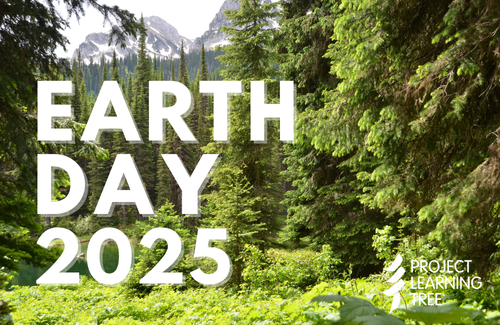
Earth Day is April 22, 2025 and the theme is Our Power, Our Planet. To celebrate, we’ve compiled stories and resources to help educators and youth learn about sustainability issues, climate science, and actions they can take this #EarthDay2025 and every day.
Did you know that February 24-28 is National Invasive Species Awareness Week? Take some time this month to introduce learners to what invasive species are, the threats they pose to the environment, and how to prevent them from spreading.
We’ve compiled various activities and resources you can do and share with your learners to inspire them to make a difference.
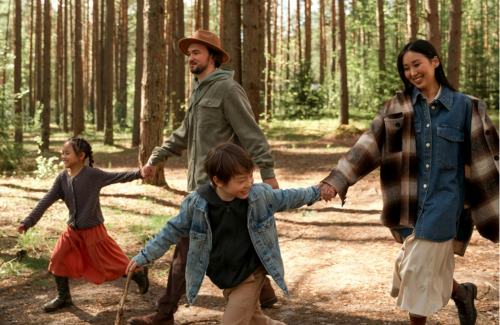
Time spent in nature is good for you! A young girl named Jina realizes this very fact when she’s out for a hike with her family. However, upon visiting the nature center, she learns that many children don’t have access to parks and have never been hiking or camping. This lights a fire in her belly to help more children spend time in nature.
Creating an edible soil activity featuring the different layers of soil—organic layer, topsoil, subsoil, parent material, and bedrock—is a fun way to engage participants in learning about the structure of soil and how it supports plant life.
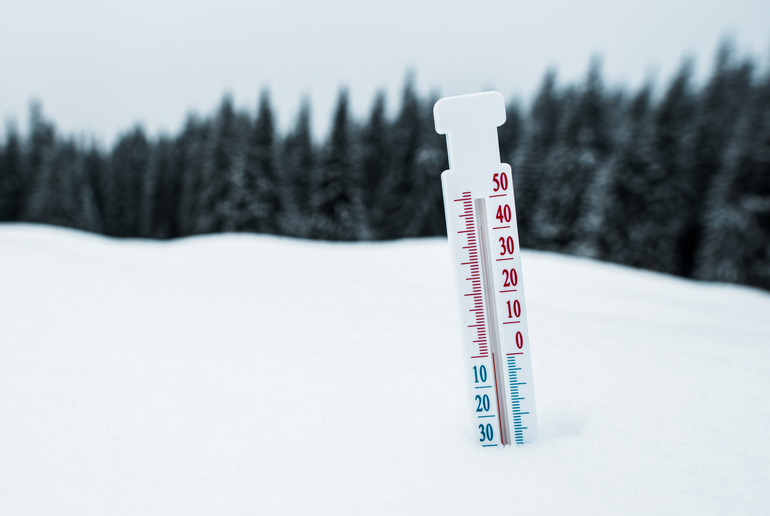
Winter ecology studies the inter-relationships between animals, insects, and plants with their habitat in the winter. Explore the plethora of adaptations trees and other living things have to survive winter conditions.
As we honor and celebrate Indigenous Peoples’ history, culture, and contributions during Native American Heritage Month (also known as American Indian and Alaska Native Heritage Month), PLT compiled a collection of books about nature that you can read to your learners.
As the holiday season approaches, it’s a great time to get outside to refuel and recharge yourself by taking a gratitude walk! A gratitude walk helps us pause, reflect, and give thanks to every person and living thing in our natural world.