
Did you know that forests contain the world’s largest reservoir of plant and animal species on land, serving as home to 80% of the world’s terrestrial biodiversity? Pretty incredible. That’s just one of the many reasons we love forests!
Let’s celebrate the variety of trees, other plants, fungi and countless animals, from bears to beetles, that contribute to our biodiverse planet.
Why Biodiversity Matters
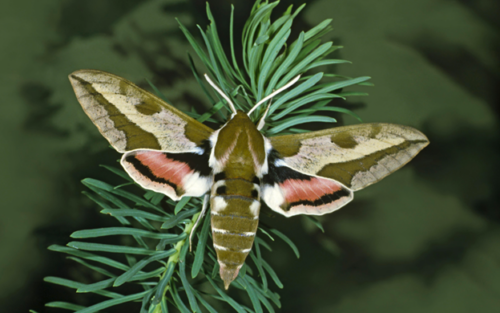
Sometimes my kids ask me why certain insects, like pesky mosquitoes, are around. My first response usually is, “Well, that’s a great question! I’m glad you asked!”
The answer is: Biodiversity matters. A lot! Every plant and animal, including insects, is a strand in the vast and complex web of life. Every species that exists today is connected to and dependent upon countless other species. Every ecosystem relies on constant interactions between living and non-living elements. Human well-being literally depends on the diversity of life.
Just think about it.
Plants need soil for water and nutrients, plus sunlight which allows them to manufacture food through photosynthesis. Those plants rely on animals like birds and bees to pollinate their flowers and disperse their seeds. They rely on decomposers like beetles and worms to cycle nutrients and keep soil fertile. In turn, the birds and bees need those plants for food and shelter. We rely on those animals and plants. We are all interdependent!
The loss of just one species can set off a chain reaction that affects all the others in an ecosystem. Whether species decline occurs due to habitat loss, disease, climate change, the introduction of invasive species, or something else, it’s important to do what we can to maintain Earth’s biodiversity.
Activities to Learn All About Biodiversity
Build a Bottle Biosphere
What better way to inspire future engineers than to design a model biodome using a bottle! In this STEM-based activity, students learn how living and non-living components impact one another in an environment.
Plant a Garden
Starting a garden is a great way to teach learners of all ages about biodiversity. We all know plants need air, water, and nutrients found in soil to sprout and mature. But what insects and animals rely on those plants? This activity is a fun way to get your hands dirty and investigate the biodiversity your garden supports. Are there certain types of bugs that flock to your tomato plants but leave strawberries alone? Do you tend to find hummingbirds in one specific area of the garden? Which pollinators are attracted to which plants?
Nature Journaling
Encourage students to be creative and channel their inner artist through nature journaling. This is a great way for learners of all ages and abilities to discover biodiversity. Spend some time outdoors—whether it’s your backyard, a schoolyard, or a park. Invite learners to draw what they see, from the variety of plants to birds, squirrels, bugs, and more that live there.
Watch a TED-Ed Video
Watch this short video, it’s a great primer to help learners understand why biodiversity is so crucial.
Be a Community Scientist: Take a Biodiversity Inventory
Free apps like iNaturalist, Seek, or Merlin Bird ID make it fun to identify various species of flora and fauna near you. Learn about the interconnectivity of native species and head outdoors for a nature walk to take photos or record birdsongs and then upload – it’s super simple! Not only can the app help you identify the species you document, but you are also adding to the data scientists use to understand biodiversity and how it is changing.
PLT Activities to Celebrate Biodiversity
Grades K-2
You can find these activities in Explore Your Environment: K-8 Activity Guide / Explora tu Ambiente: Guía de Actividades K-8
- Backyard Naturalist / Naturalista del Patio
- Trees as Habitats / Los Árboles como Hábitats
Grades 3-5
Find these three activities in Explore Your Environment / Explora tu Ambiente and in our digital activity collection, Biodiversity Blitz.
- Charting Biodiversity / Graficando la Diversidad
- Discover Diversity / Descubre la Diversidad
- Web of Life / Telaraña de la Vida
PLT’s e-unit Energy in Ecosystems is another incredible compilation of activities that investigate the ways in which organisms depend on each other to survive in ecosystems.
Grades 6-8
These activities for older learners are also in the Explore Your Environment / Explora tu Ambiente guides.
- Field, Forest, and Stream / El Campo el Bosque y el Arroyo
- Forest in the City / Bosque en la Ciudad
- If You Were the Boss / Si Fueras el Jefe
- Invasive Species / Especies Invasoras
- Life on the Edge / La Vida al Límite
Whatever activities you do, have fun exploring and celebrating biodiversity!