If you have access to tablets, there are many educational apps that you can integrate into lesson plans. We’ve pulled together 12 science apps for middle and high school students on the topics of climate change, conservation, weather, and more.
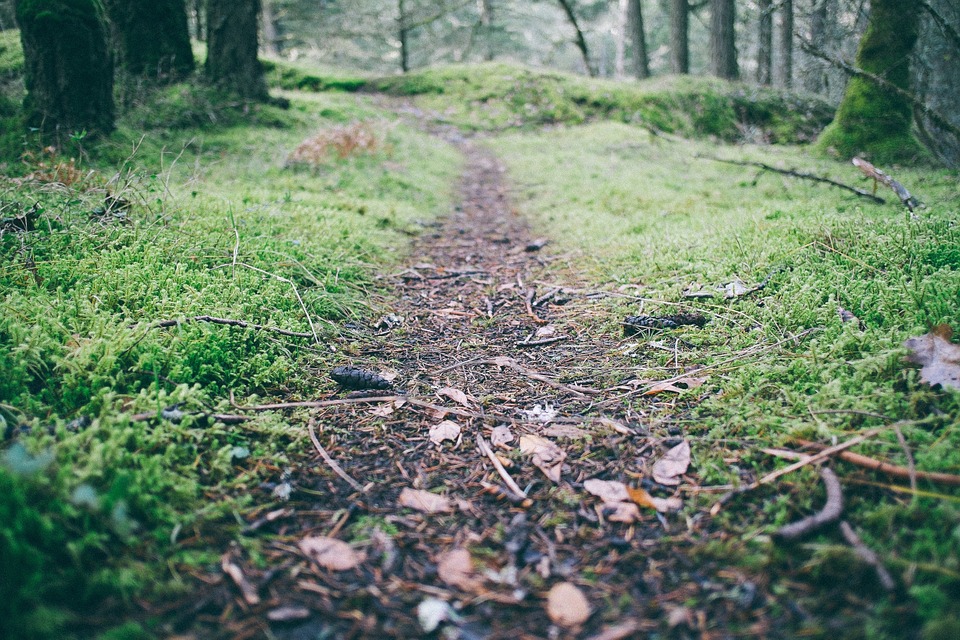
Incorporating art projects into a lesson plan about temperate deciduous forests is a great way to make learning fun. Using recycled and waste materials can make these projects more eco-friendly.
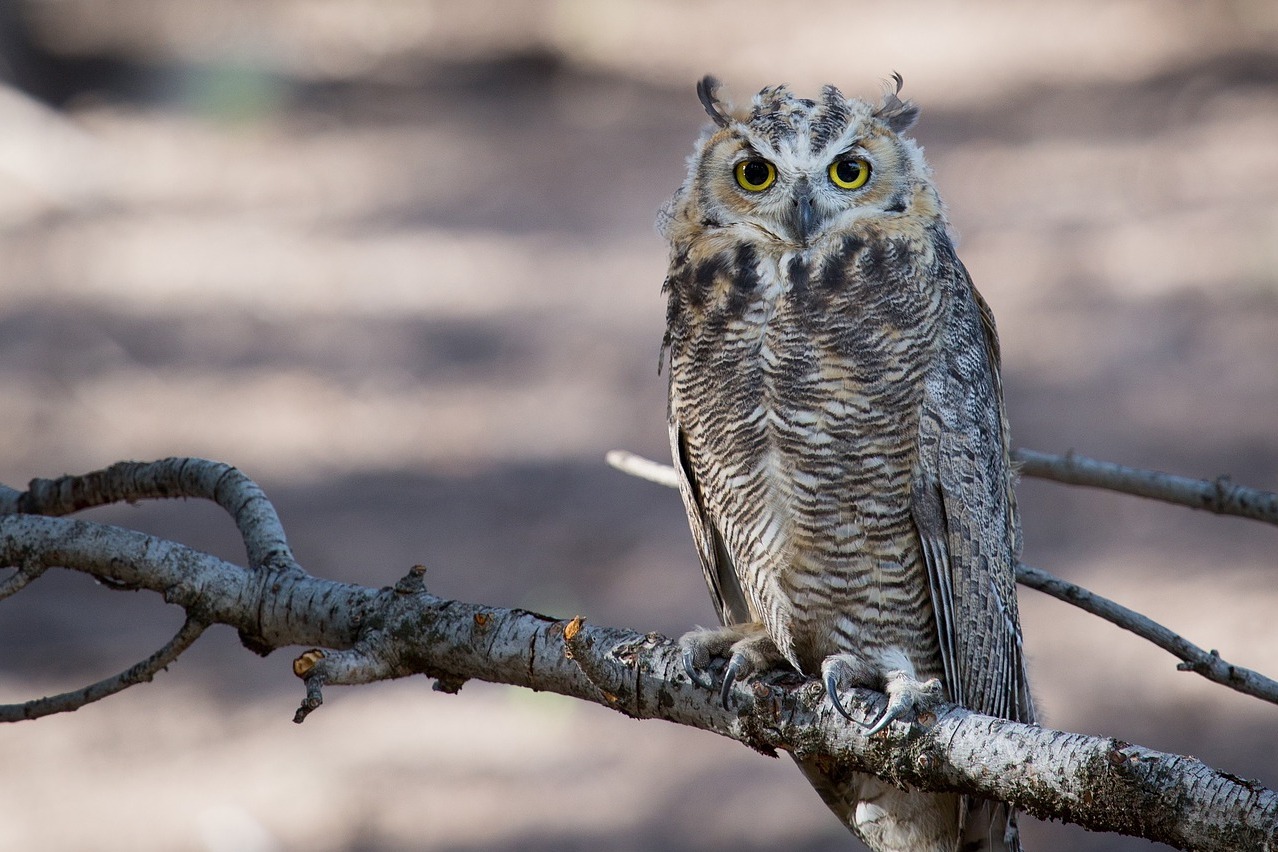
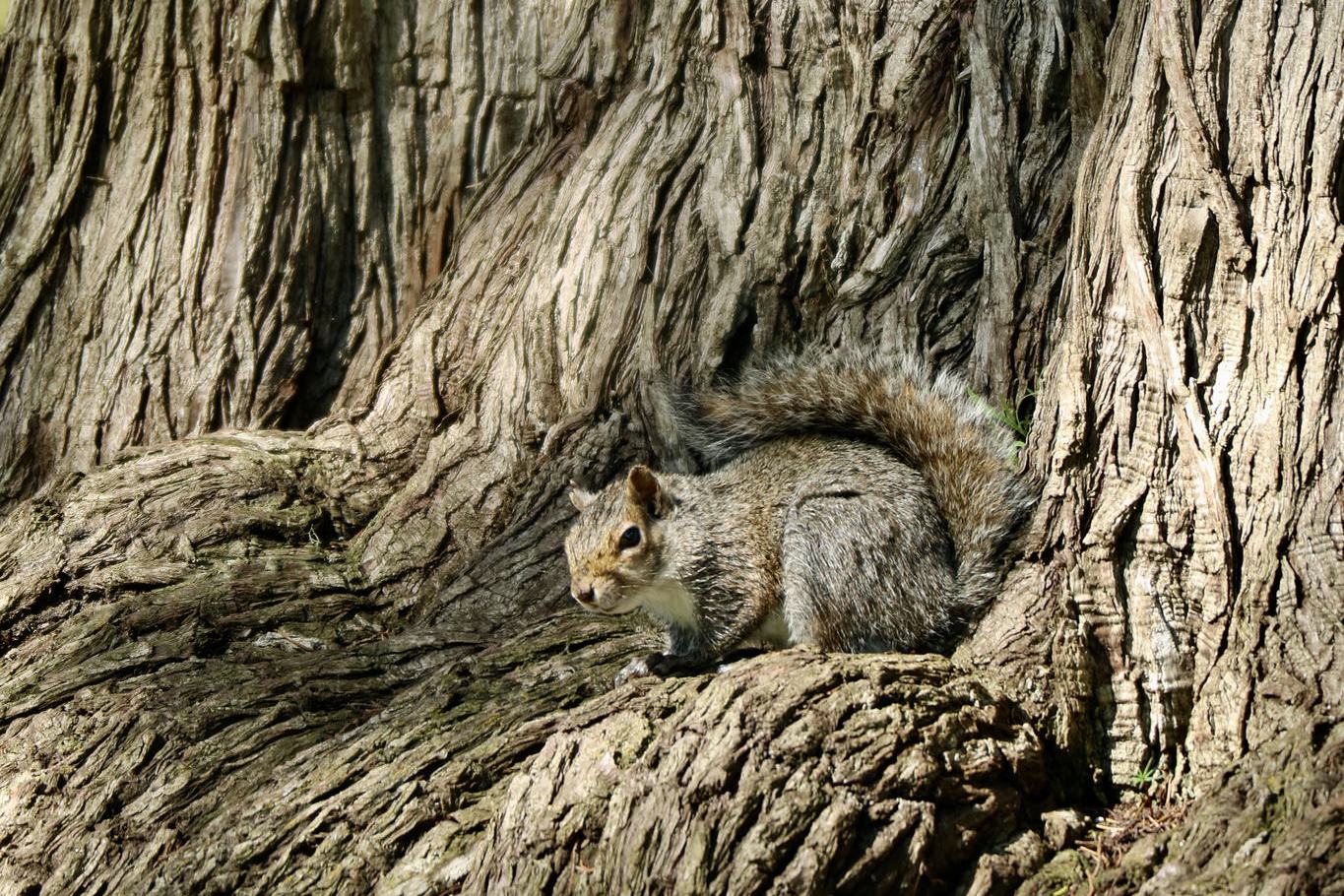
Predators and prey animals use camouflage so they don’t attract too much attention. Here are examples of color matching, disruptive coloration, self-decoration, active camouflage, and mimesis.
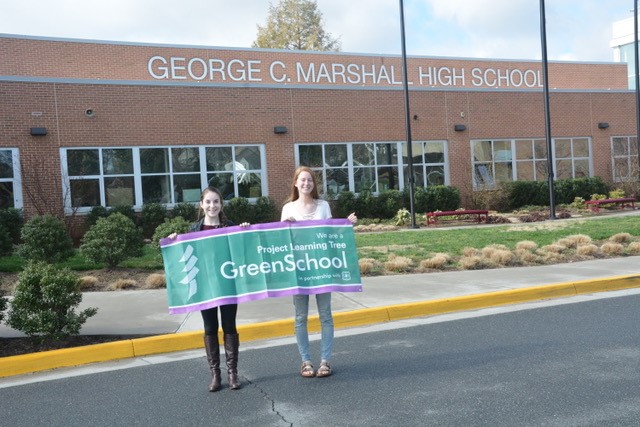
As the leader of the Green Team at my high school, I’m proud of the collaborative efforts of over 100 students, the principal, and volunteers.
Earth Day is about raising awareness about the importance of protecting our planet and taking action. Use these activities to inspire your students to take action this Earth Day, and every day.
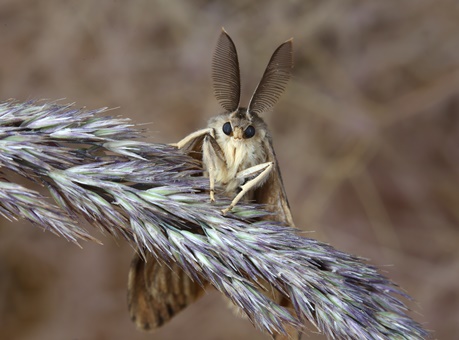
Engage students in STEM (science, technology, engineering, and math) as they learn about the impact invasive species have on ecosystems and biodiversity.
Give “reduce, reuse, recycle” a whole new meaning by incorporating this concept into many subject areas. Many of these hands-on project ideas can be adapted for any grade.
Students across the country will “learn by doing” through a variety of projects they help design and implement to conserve and improve the environment.
Young students don’t need to wait until they’re older to make a difference. Here are 13 inspiring stories that show what’s possible when young environmentalists take action.
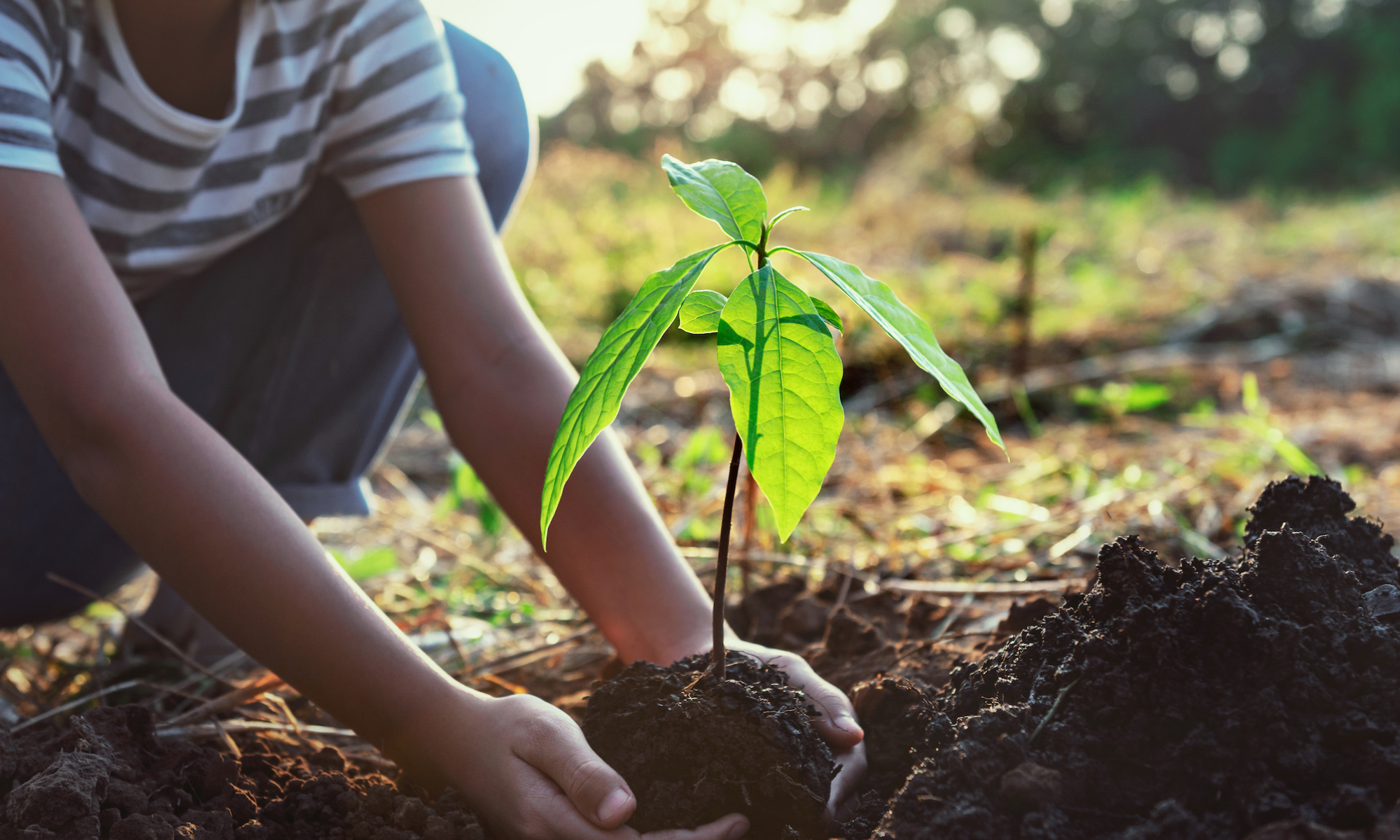
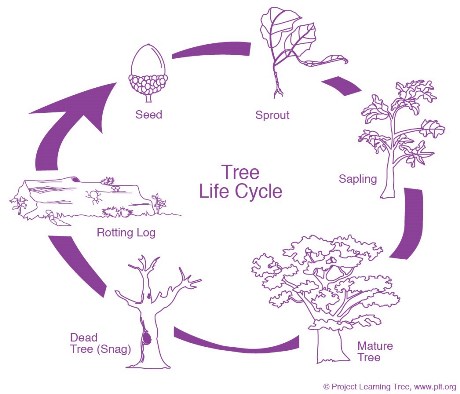
Engage students in STEM (science, technology, engineering, and math) as they learn about a tree’s lifecycle.