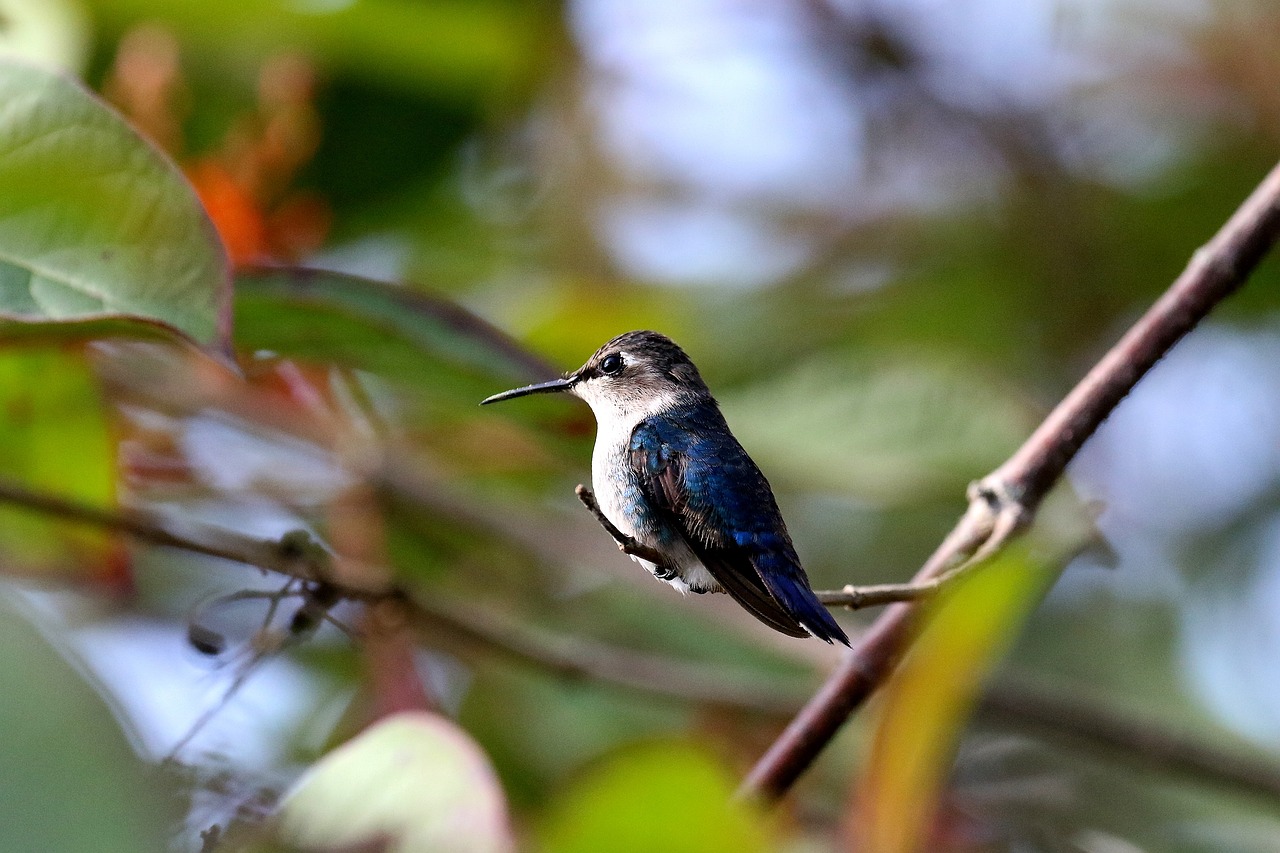
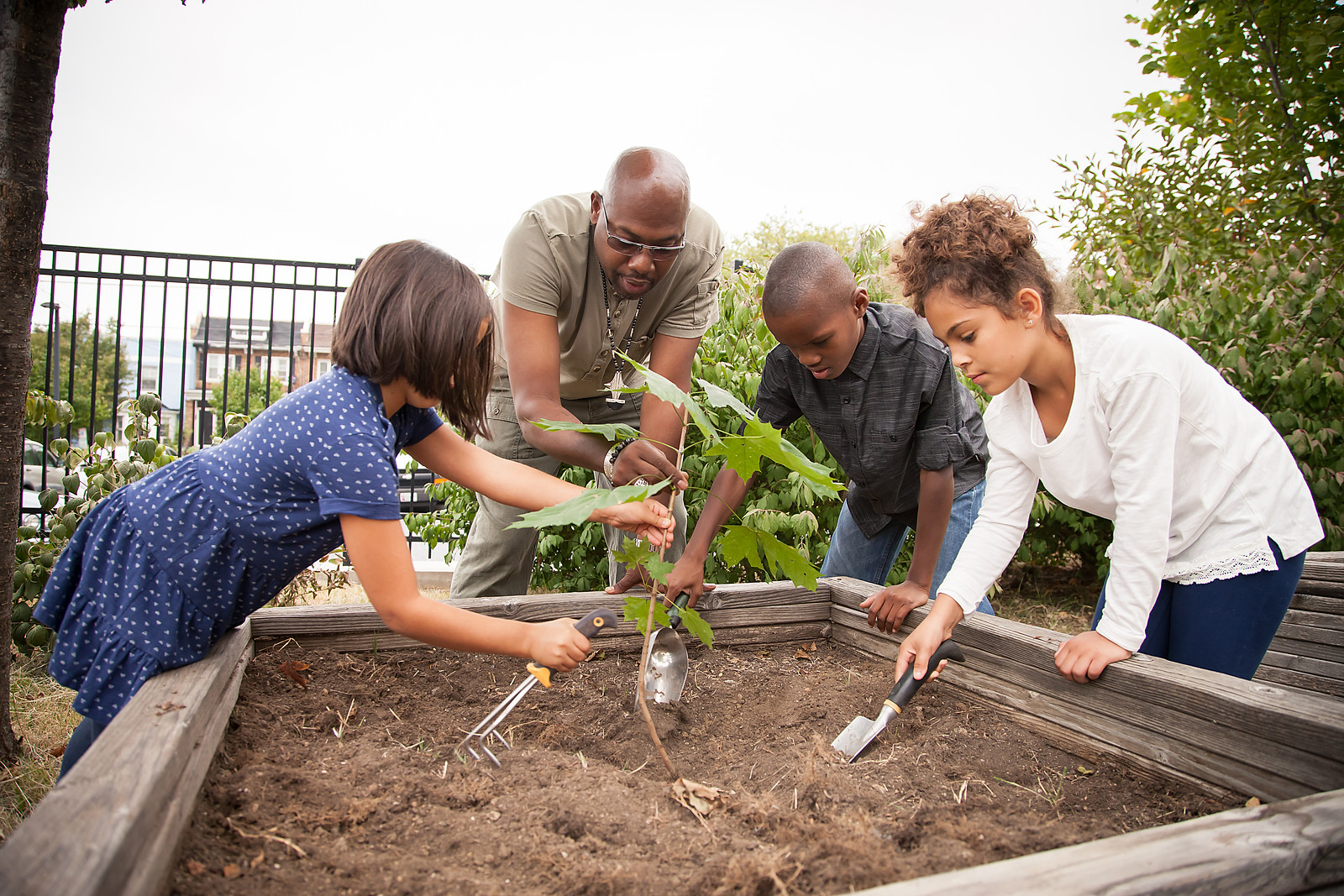
One of the best ways to ensure future generations can enjoy our planet’s rich biodiversity is to raise awareness about the importance of conserving our natural world. World Wildlife Day aims to make that happen with an annual day of observance and call for wildlife conservation and education.
For many sixth graders, their focus is elsewhere besides science. But one inspiring educator from North Carolina, Betty Jo Moore, is nurturing the next generation of budding scientists and environmental stewards. After leaving a career in the corporate world, she became a substitute teacher, falling in love with teaching. Read more in PLT’s teacher feature!
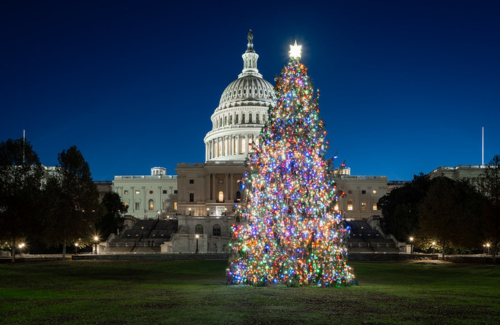
As the holiday season is in full swing, people around the world partake in the time-honored tradition of searching for the perfect Christmas tree. Whether …
First launched in 2013, PLT had the opportunity to partner with Dr. Kris Irwin to author a total of 30 STEM Strategies that supplement activities within various PLT curriculum guides, including the Explore Your Environment: K-8 Activity Guide. As Dr. Irwin plans for his retirement in early 2024, we are excited to share his favorite STEM Strategies from over the years.
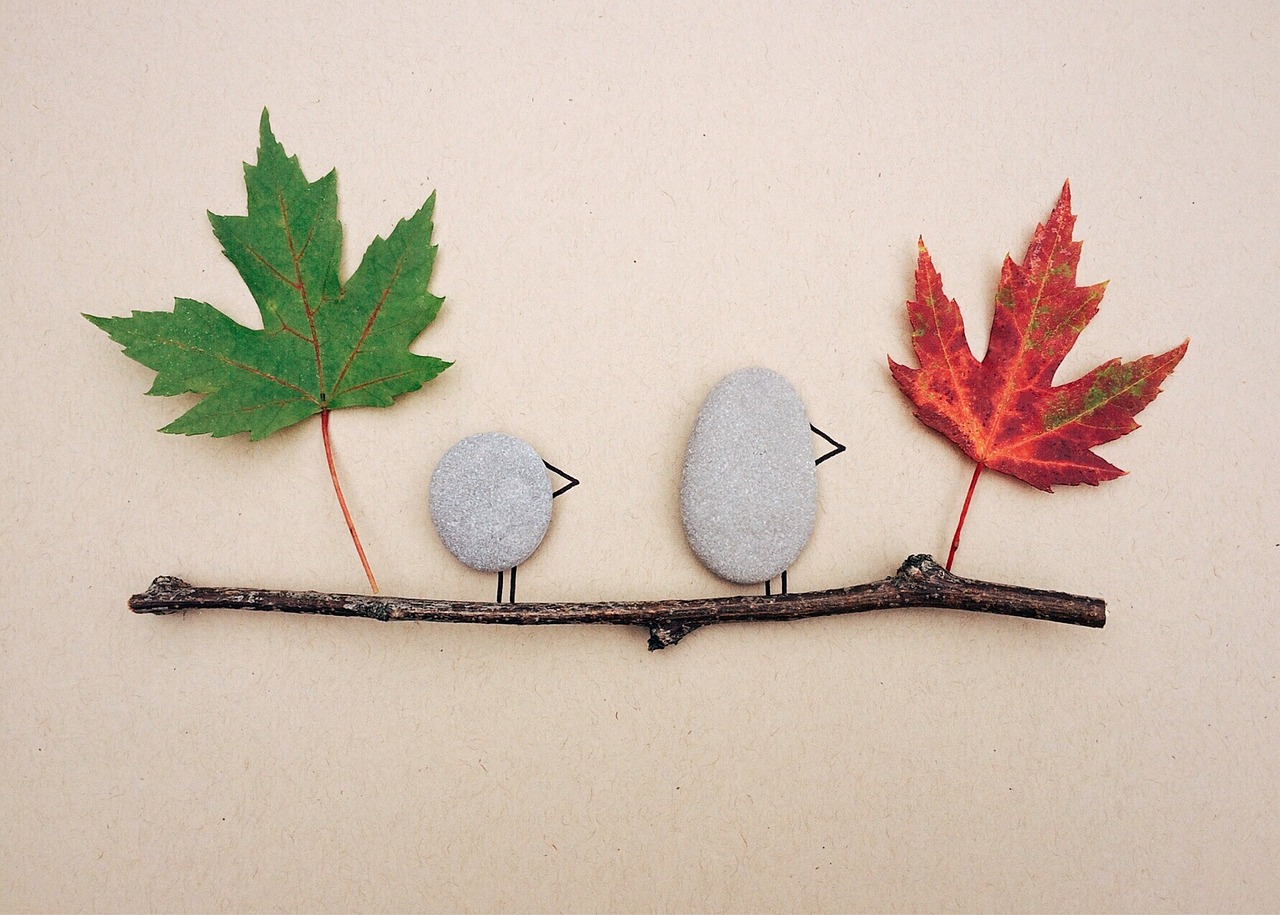
Creating art in nature is about connecting with your environment, being inspired by nature, and leaving it right where it was found. Explore activities that use tools and materials found in nature to show children that anything can be art if you’re creative enough!
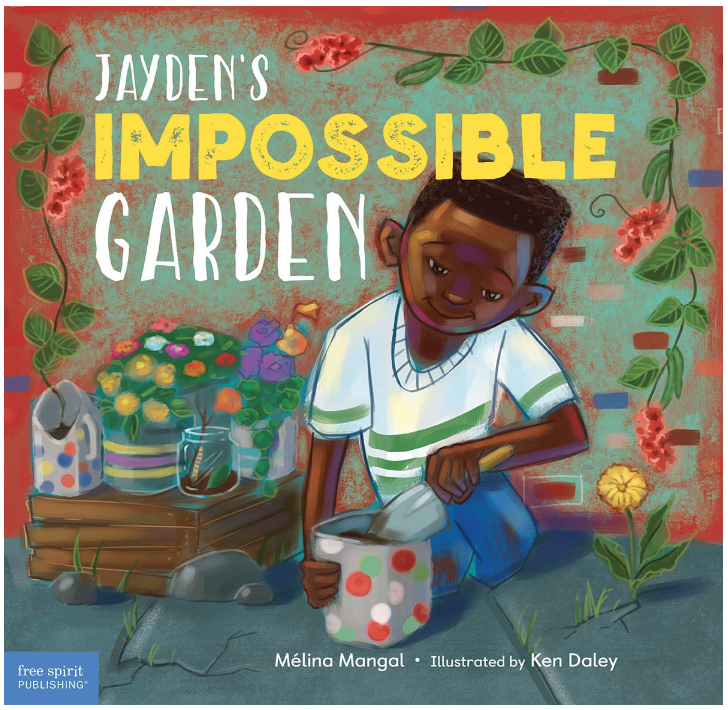
This book empowers youth to find the beauty of nature wherever they are, and to sow the seeds of change while enhancing their intergenerational relationships.
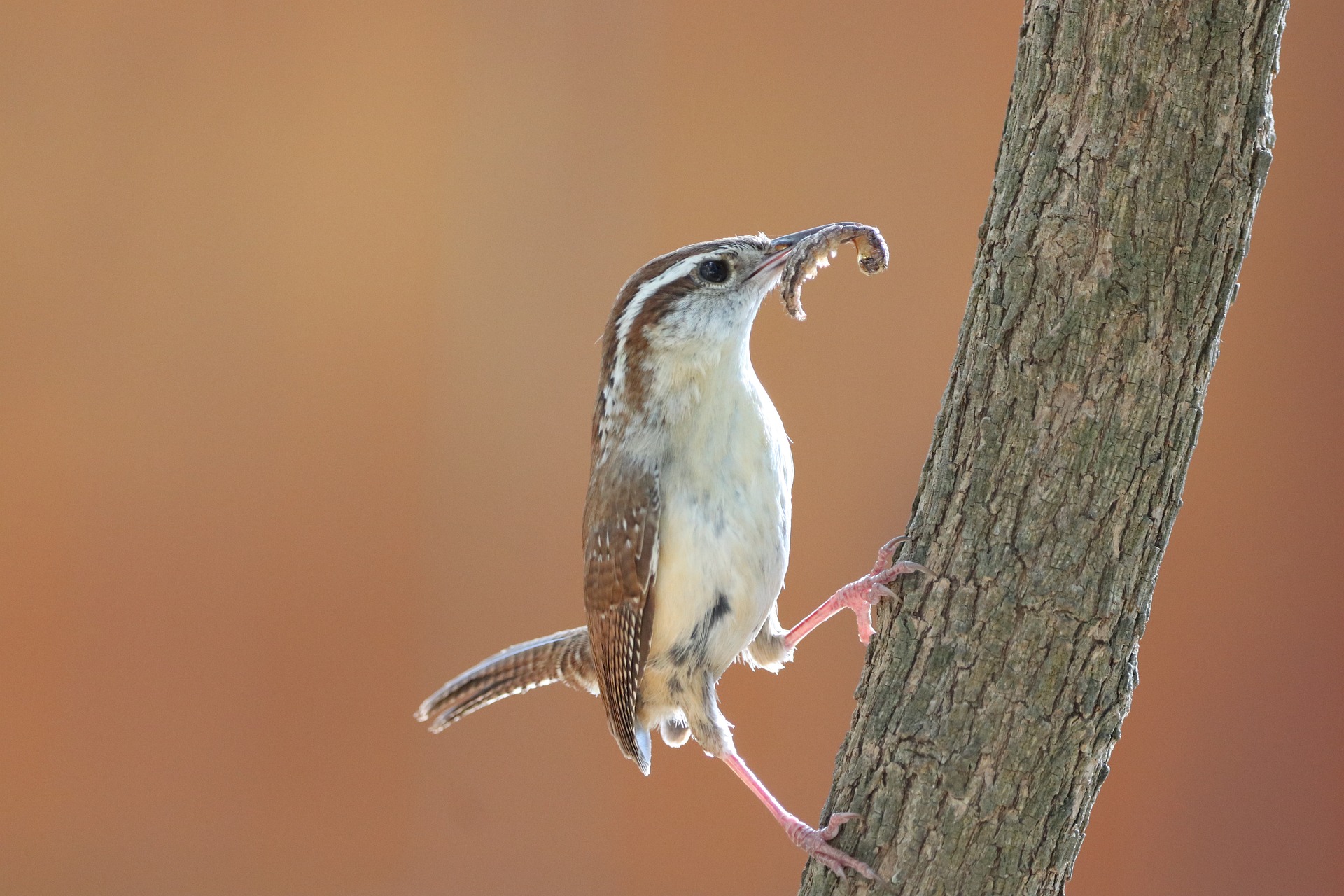
Native species are essential to healthy ecosystems. These species have had years of evolution to adapt to weather, seasons, and other living things around them. Native birds and insects in particular keep our environments in balance. Take a look at the importance of native birds and insects in our natural environments and how we can introduce students to these concepts in tangible ways.
Summer break allows educators to recharge and reflect. Social and Emotional Learning (SEL) is important for students’ growth—nature-based education, like PLT activities, fosters SEL by promoting collaboration, self-expression, and emotional connection to nature. Explore ways you can incorporate SEL into your classroom this school year!
Young learners often focus on bees when learning about pollinators, but it’s important to introduce them to the diverse range of pollinators supporting our ecosystems. From birds to bats, butterflies to moths, there’s much to learn. Engaging activities like scavenger hunts, bee baths, and pollinator-themed crafts help them understand the vital role of these creatures and the importance of conserving their habitats. Explore how you can enhance activities and learnings with PLT!
This school year, keep the energy and excitement for learning high with some fun ways to engage learners. Plus, save BIG on PLT resources with our fantastic back-to-school sale!