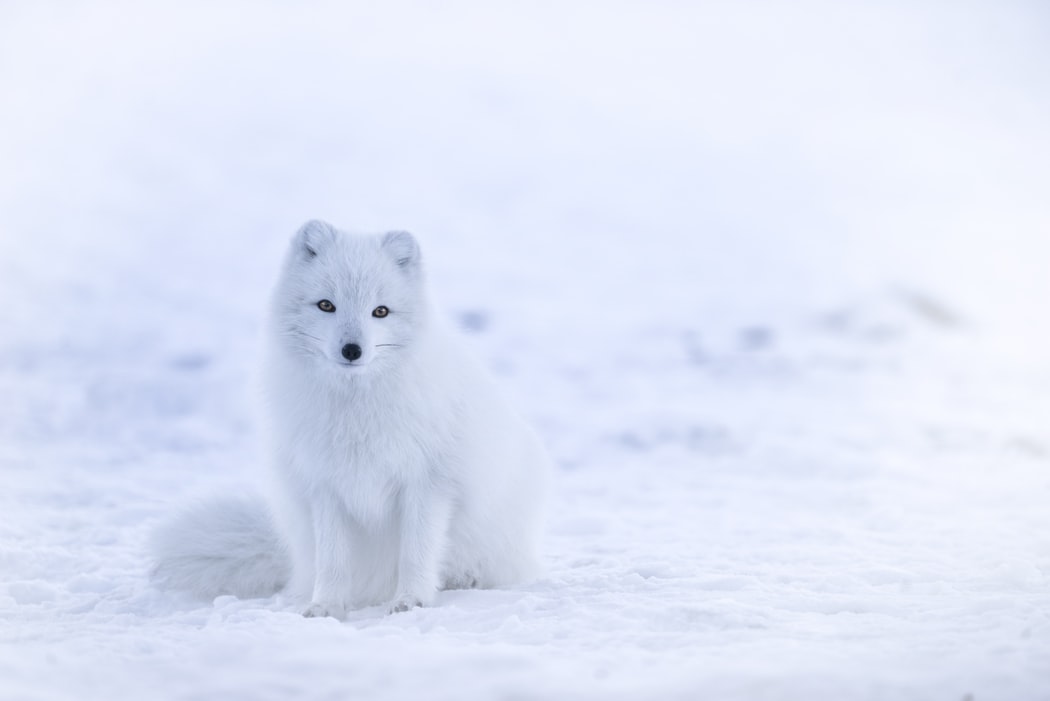
Evergreens provide food and shelter for animals facing harsh winter conditions. Learn how animals use evergreen trees as food and shelter, and use these ideas to bring your students outdoors in winter and observe wildlife.
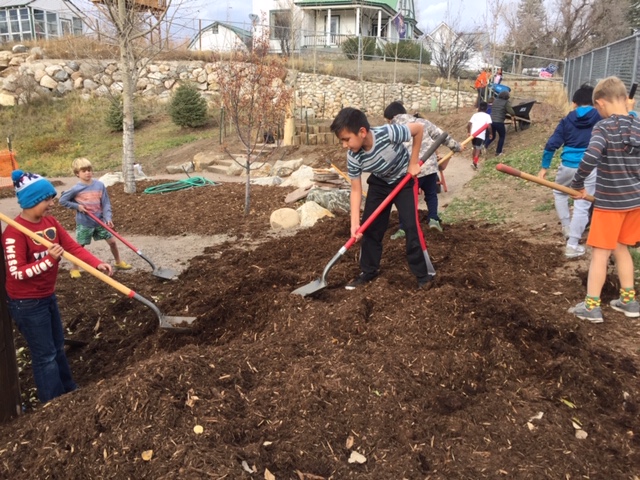
Learn how two teachers banded their students and local partners together to reclaim their school’s outdoor space and create a peace garden and classroom.
As the temperature outside begins to drop, noticeable changes take place all around us. All living things, including humans, must adapt to their environment in order to survive. Let’s take a closer look at how plants and animals prepare for winter.
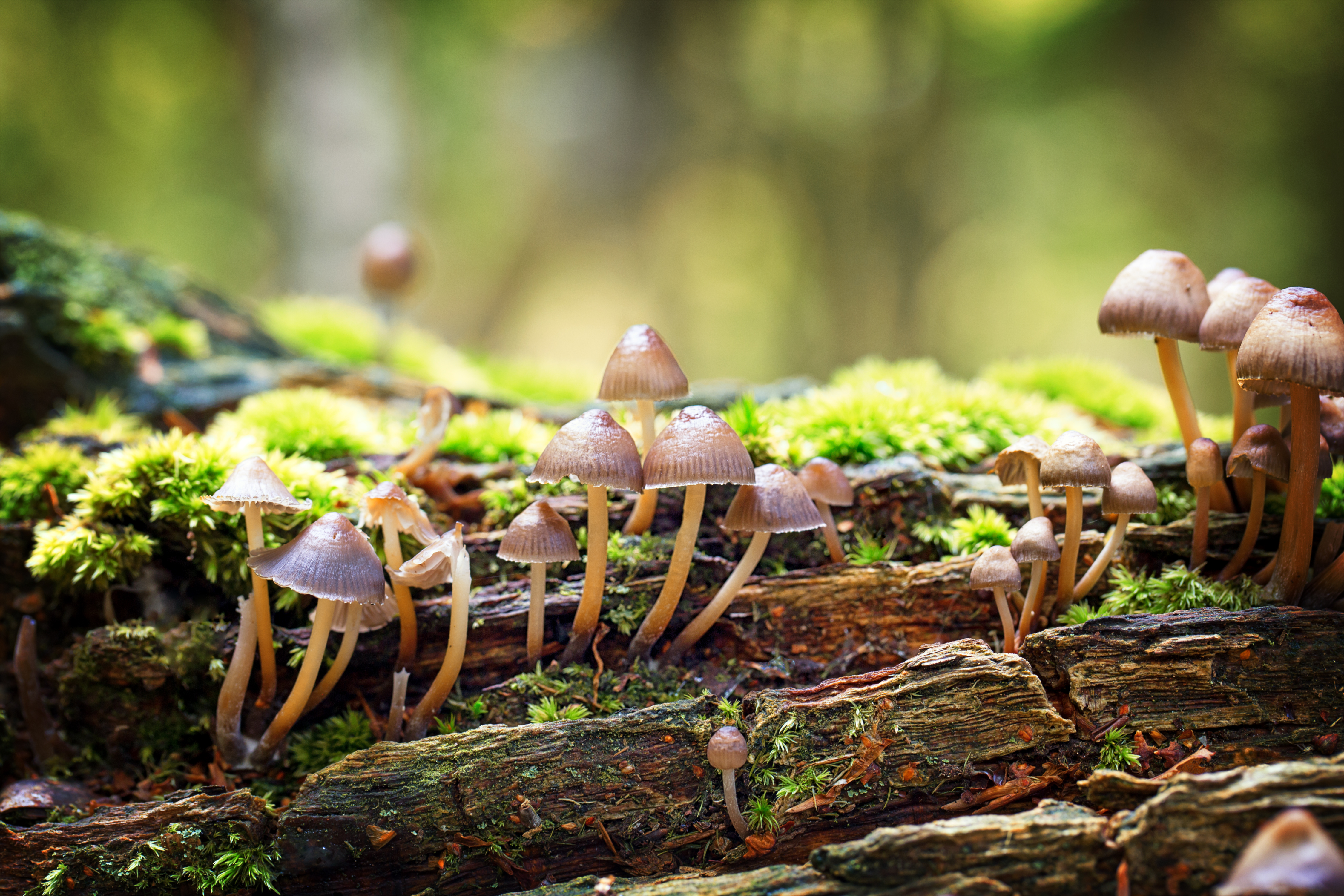
Decomposers live off dead material and recycle nutrients into the soil for reuse by plants. These STEM activities teach students about producers, consumers, and decomposers.
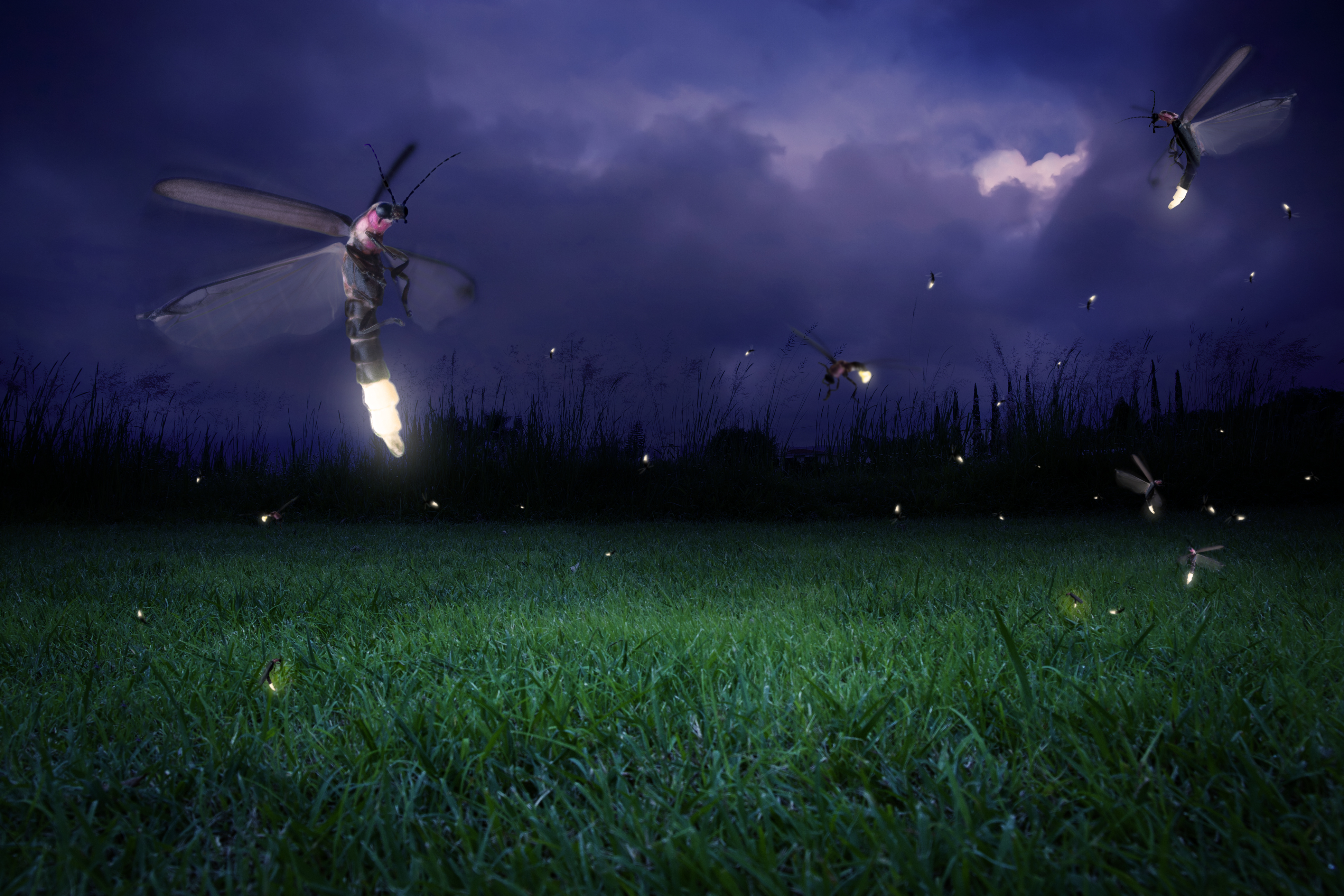
Some animals, insects, and organisms have evolved to produce light for various reasons. Capture your students’ curiosity and love of learning by using bioluminescence as a springboard into the world of luminescence. There are many ways of adapting glow-in-the-dark lessons to a variety of subjects and grade levels.
By Jennifer Byerly
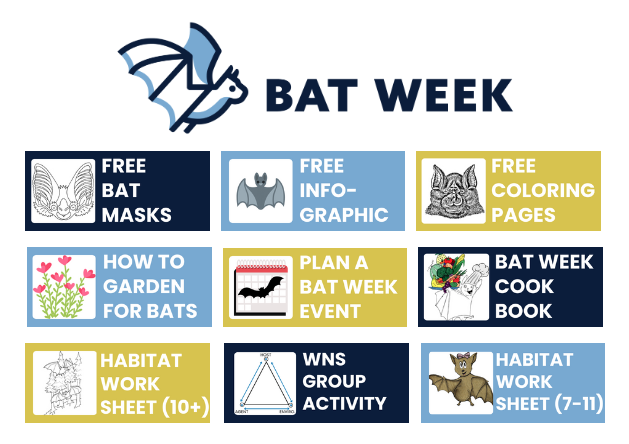
Bat Week is Oct. 24-Oct. 31! Use this national event (timed with Halloween) to teach kids about the important role bats play as insect eaters, pollinators, and seed spreaders. To celebrate, we’ve gathered some free downloadable activities, arts and crafts, writing prompts, and other projects for all ages to learn about bat conservation.
Supplement your curriculum across subject areas with these 8 easy activities with a sustainability theme for middle school students.
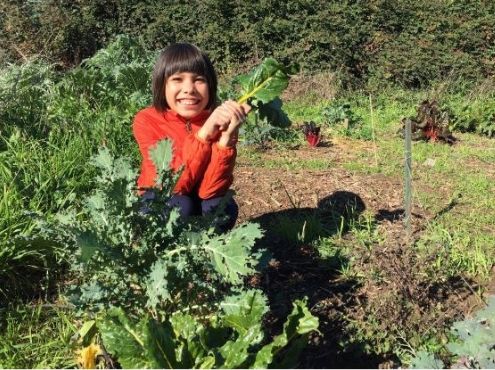
Project Learning Tree schools share lessons teachers learned after starting a class garden.
A new recognition program of the Arbor Day Foundation provides a simple framework and resources for using trees as a learning tool for students.
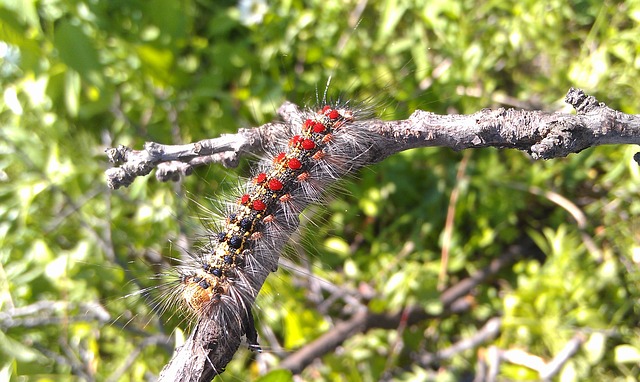
An invasive species is any kind of organism that is not native to an ecosystem and causes harm to the environment, economy and possibly even human health. Lymantria dispar, Asian longhorned beetles, emerald ash borers, and woolly adelgids are among the growing list of invasive insects that threaten U.S. forests and urban landscapes.