
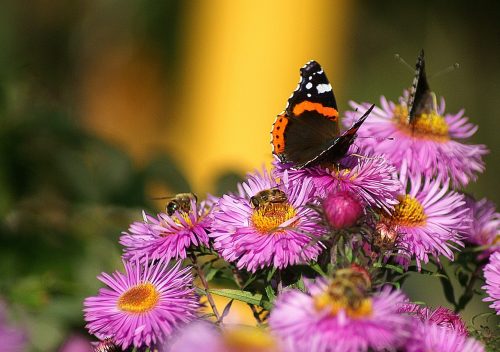
Pollinators: Why They’re Important and How Schools Can Help
It’s critical we teach students about the role of pollinators. See how students of all ages can put their knowledge into practice and support pollinators.


It’s critical we teach students about the role of pollinators. See how students of all ages can put their knowledge into practice and support pollinators.
There is historic new federal funding available for environmental education through the Every Student Succeeds Act (ESSA). Invite your school superintendent to learn how to apply for this funding and why.
Engage students in STEM (science, technology, engineering, and math) through the power of the written word. Try these enrichments for Project Learning Tree’s Poet-Tree activity.
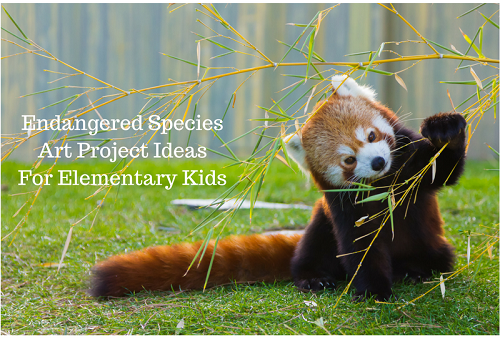
There are tens of thousands of known threatened species. It’s critical to teach our children about endangered species because if we don’t know about the problem, we can’t take steps to find solutions.
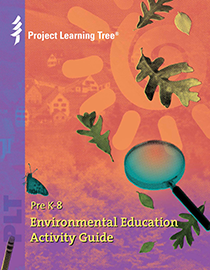
A popular resource for educators of elementary and middle school students, PLT’s PreK-8 guide contains 96 hands-on, multidisciplinary activities, with emphasis on science, reading, writing, mathematics, and social studies.
Observe, collect, and classify plant seeds.
Take a closer look at leaves, their characteristics, and how they can be used to identify plants.
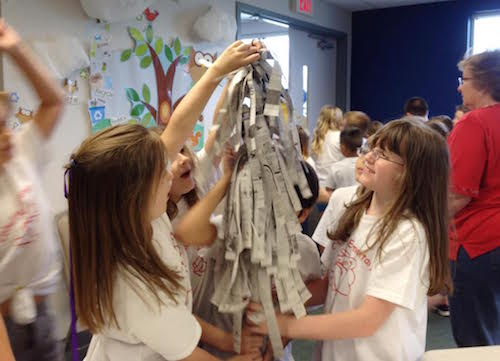
Students investigate the papermaking process by trying it themselves. Students are thrilled to find that they can make paper and that their product is practical, as well as beautiful. Watch a video of the paper-making process used in this activity.
From informative nonfiction reads to silly fictional tales, this list separated by grade level will help kids–and adults–stay on top of their reading.
We now offer online courses for early childhood, K-8, and GreenSchools. The courses include demonstration videos, planning exercises, and state-specific resources.